The gaming industry has always thrived on nostalgia, yet continually demands innovation. This delicate balance between honoring classic characters and reinventing them for modern audiences presents developers with a fascinating challenge: determining how much change players will accept before rejecting the reimagined version. As franchises age and audiences evolve, this question becomes increasingly complex, touching upon cultural memory, brand identity, and generational expectations.
The psychology behind character attachment plays a crucial role in determining acceptance thresholds. Players form deep emotional connections with iconic characters over years or even decades of gameplay. These avatars become more than digital constructs—they transform into personal companions and cultural touchstones. When Square Enix redesigned Cloud Strife for Final Fantasy VII Remake, they maintained his spiky blonde hair and oversized sword while modernizing his facial features and costume details. This careful evolution respected the character's essence while accommodating contemporary graphical capabilities.
Historical examples reveal fascinating patterns in player acceptance. Nintendo's gradual transformation of Link across The Legend of Zelda series demonstrates successful iterative design. Each version maintains the green tunic and elven features while adapting to technological advancements and artistic trends. Contrast this with Sonic the Hedgehog's controversial 2006 redesign—where elongated limbs and realistic proportions triggered such backlash that Sega reverted to classic styling. The difference lies in perceived betrayal of core identity versus respectful evolution.
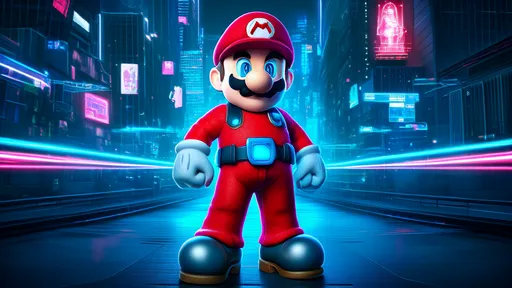
Cultural context significantly influences redesign tolerance. Japanese audiences often demonstrate greater acceptance of radical character evolutions, as seen in the numerous transformations of Mega Man across Capcom's various sub-series. Western audiences tend to prefer more conservative updates, particularly for mascot characters like Mario or Crash Bandicoot. This dichotomy reflects broader media consumption patterns, with Japanese gamers being more accustomed to frequent character reinventions across manga and anime.
Generational divides further complicate acceptance thresholds. Younger players encountering a classic character for the first time in its redesigned form often embrace changes more readily than veteran players. The 2018 Spyro Reignited Trilogy perfectly illustrates this phenomenon. While longtime fans debated the merits of Spyro's updated facial expressions and scale texture, new players accepted the redesign as the definitive version. Developers must weigh whether to prioritize legacy fans or court new audiences—a decision with significant commercial implications.
Technical limitations of bygone eras often serve as unexpected blessings for character design. The blocky polygons of early 3D games forced designers to create highly stylized characters with exaggerated features that became iconic. Modern attempts to "correct" these designs sometimes strip away their charm. When Konami reimagined Solid Snake for Metal Gear Solid: The Twin Snakes, the more realistic proportions inadvertently made him less distinctive than his original PlayStation incarnation. This phenomenon explains why some remakes opt for stylized visuals rather than hyper-realism.
The most successful redesigns often emerge from understanding what made the original compelling. Capcom's Resident Evil 2 remake didn't simply update Leon Kennedy's polygons—it recontextualized his rookie cop persona for contemporary storytelling standards while preserving his core personality traits. Similarly, Insomniac's Ratchet & Clank reboot maintained the duo's dynamic while refining their designs for modern hardware. These cases demonstrate that acceptance depends less on visual fidelity and more on emotional resonance.
Market research plays an increasingly sophisticated role in determining redesign boundaries. Focus groups, social media sentiment analysis, and even neuromarketing techniques help developers gauge potential reactions before committing resources. When Microsoft tested variations of Master Chief's armor for Halo Infinite, they combined data analytics with fan feedback to arrive at a design that felt both fresh and familiar. This data-driven approach helps mitigate risk but can't replace creative vision.
Interestingly, some franchises have turned redesign resistance into a narrative strength. The Mortal Kombat series frequently incorporates character appearance changes into its multiverse storytelling, allowing for multiple canonical designs to coexist. This meta approach acknowledges player attachment while providing in-universe justification for visual experimentation. It's a clever solution that honors the past without being constrained by it.
As gaming continues to mature as an art form, the conversation around character redesigns grows more nuanced. What began as simple graphical upgrades has evolved into complex discussions about representation, cultural sensitivity, and artistic integrity. The upcoming Prince of Persia: The Lost Crown demonstrates this beautifully—its bold new art direction pays homage to Persian miniature paintings while completely reimagining the franchise's visual language. Early reactions suggest players are willing to embrace radical change when it's executed with clear creative purpose.
Ultimately, player acceptance thresholds aren't fixed metrics but dynamic negotiations between memory and progress. The most enduring game characters—like Mario, Lara Croft, or Pac-Man—have all undergone numerous redesigns while maintaining their essential appeal. Their longevity suggests that when handled with care, respect, and creative conviction, even the most dramatic reinventions can find acceptance across player generations. As technology advances and storytelling techniques evolve, this delicate dance between tradition and innovation will remain one of game design's most compelling challenges.

By /Jul 29, 2025
By /Jul 29, 2025
By /Jul 29, 2025

By /Jul 29, 2025
By /Jul 29, 2025

By /Jul 29, 2025

By /Jul 29, 2025

By /Jul 29, 2025

By /Jul 29, 2025
By /Jul 29, 2025

By /Jul 29, 2025
By /Jul 29, 2025
By /Jul 29, 2025
By /Jul 29, 2025
By /Jul 29, 2025
By /Jul 29, 2025
By /Jul 29, 2025
By /Jul 29, 2025

By /Jul 29, 2025
By /Jul 29, 2025
